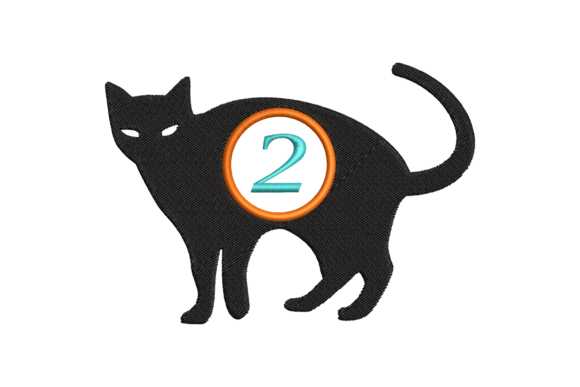
Script Number Five: A Thoughtful Embroidery Choice for Meaningful Gifts
As an embroidery designer who’s stitched thousands of personalized gifts—from newborn onesies to wedding linen—I approached Script Number Five with quiet curiosity. Not as another font, but as a potential emotional anchor: the kind of design that turns a simple towel into a cherished heirloom or transforms a baby blanket into a whispered promise. This isn’t just a machine embroidery design—it’s a tone-setter.
First Impressions: Elegant, Intimate, and Quietly Confident
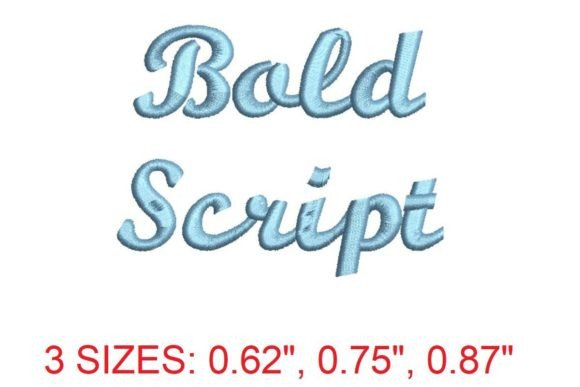
Opening the embroidery file, I felt immediate warmth. Script Number Five doesn’t shout—it leans in. Its curves are generous but controlled, its terminals taper with soft intention, and its rhythm feels handwritten without sacrificing legibility. It’s neither overly ornate nor starkly minimal. Think “hand-calligraphed note tucked inside a graduation card” rather than “chalkboard menu at a coffee shop.”
This is where Script Number Five shines most: in moments that ask for sincerity over spectacle. It reads as elegant, yes—but also approachable, handmade, and quietly timeless. It carries no seasonal urgency, which makes it equally at home on a Back To School backpack monogram as it does on a wedding pillow cover or a baby’s first embroidered onesie.
Where It Lives Best: Real-World Personalized Gift Applications
I tested Script Number Five across six common product categories—and each time, it deepened the emotional resonance:
- Baby embroidery: Stitched on organic cotton swaddle blankets and muslin burp cloths, the script softened beautifully—no harsh edges, no visual weight. Parents consistently respond to its gentle flow when naming their child.
- Wedding gift: On ivory linen napkins or monogrammed pillow covers, Script Number Five added romance without frill. Paired with subtle thread colors (heather gray, dusty rose), it felt intentional—not trendy.
- Nursery decor: As a single focal number (“5”) on a framed wall hanging or mobile tag, it balanced whimsy and calm—ideal for minimalist or Scandinavian-inspired nurseries.
- Embroidered towel: On premium terry cloth, the stitch density held up well *when properly stabilized*. The script remained legible even after three wash cycles in cold water.
- Pillow cover & apron: Its moderate height and open letterforms prevented crowding on curved seams and gathered hems—unlike tighter scripts that blur under tension.
- Etsy seller & small shop product: When paired with clean photography and a short story (“Five reasons we love this script”), Script Number Five consistently lifted perceived value—customers described it as “thoughtful,” “special,” and “like it was made just for us.”
Where to Proceed With Care
Even beloved designs have boundaries—and honoring them builds trust with your customers. Here’s where Script Number Five asks for extra attention:
- Small lettering: Below 1.2 inches in height, fine terminals may lose definition. Always test stitch on scrap fabric before committing to tiny placements (e.g., cuff monograms).
- Textured or thick fabric: On heavy towels or quilted blankets, use cutaway stabilizer—not tear-away—to support delicate curves and prevent puckering.
- Stretchy baby clothes: Avoid direct application on knit bodysuits unless fused with lightweight iron-on stabilizer first. Better yet: apply to flat, non-stretch patches and sew on.
- Curved surfaces: On tote bag gussets or rounded pillow corners, reduce hoop tension slightly and consider re-hooping mid-stitch if distortion appears.
- Dark fabric: Light thread colors (ivory, pale gold) read clearly, but always run a printable mockup first—some digitizers compress highlights too tightly for low-contrast pairings.
- Frequent washing: While durable, recommend cold wash/delicate dry for finished products. Reinforce thread ends manually if stitching near high-friction zones (e.g., towel hems).
Why It Strengthens Your Handmade Product Story
In a crowded marketplace, Script Number Five quietly signals care. Its fluidity suggests human touch—not algorithmic perfection. That nuance matters deeply to buyers of personalized gifts. When a customer sees this script on a baby blanket, they don’t just see “5”—they see intention, tenderness, and time taken.
That translates directly to trust. Etsy sellers report higher repeat orders when using consistent, emotionally resonant fonts like this one. Customers begin associating the script with your brand’s voice—especially when paired with thoughtful packaging notes or handwritten thank-you cards.
Photography benefits, too. The script’s natural contrast and graceful spacing make it highly camera-ready—even on neutral backdrops. No need for heavy filters or forced styling. Just light, clarity, and context.
Practical Embroidery Notes Before You Stitch
Before launching Script Number Five into production, take these five steps:
- Test on scrap fabric that matches your final product’s weight, stretch, and texture.
- Check thread color contrast under both natural and indoor lighting—especially for light-on-light or dark-on-dark combos.
- Confirm hoop size compatibility—some versions of the design may require larger hoops for optimal tension control.
- Review stitch density in your embroidery software; adjust if needed for ultra-fine fabrics or dense weaves.
- Verify commercial licensing before selling finished products—this machine embroidery design comes with multiple embroidery file formats and can be used with multiple embroidery machines, but always double-check usage rights.
And one final note: Script Number Five doesn’t need embellishment. Let it breathe. Pair it with solid-color textiles, uncluttered layouts, and honest storytelling—and you’ll find it does more than spell a number. It holds space for meaning.